
How to Calculate the Scottish Visitor Levy (Without the Headache)

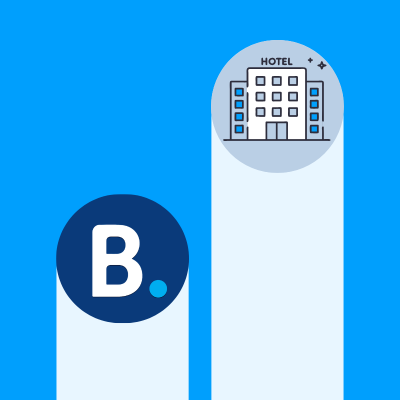
Glenn Fogel, CEO of Booking Holdings, shared some revealing figures in their Q4 2025 report on Wednesday, 18th February. The headline? Almost all of Booking.com’s room nights come from independent hotels and small accommodation providers. Chain hotels contribute only a tiny fraction of their booking revenue.
If any business relied 90% on one sector, it would usually suggest that sector holds the negotiating power. Simply put, independent hotels are more important to Booking.com than Booking.com is to them.
That 90% figure highlights an opportunity. Independent hotels and small accommodations should be able to find alternatives. As competitors like Google evolve into travel booking platforms, independent hotels now have more options for direct bookings and greater flexibility over where their bookings come from. Google, for example, already allows all hotels to participate without charging commission.
For alternatives to work, they must be simpler, lower-cost, and guest-friendly. By removing commission fees, hotels can offer lower prices directly to guests because, ultimately, guests pay the hidden commission in current models. This trend explains why we’re seeing more hotels offering better prices on Google than through OTA channels.
When guests discover that direct bookings are cheaper, increasing numbers are likely to switch. AI agents can efficiently search out the best price, most likely by checking on Google but they can also do a search on your website booking engine. AI-powered booking agents will further accelerate this shift because a good AI agent needs to be able to find the best prices and availability. More reason to make sure your direct prices are better than anywhere else.
It’s important to note the contrast between chain hotels and independents. Chain hotels have dedicated marketing, legal, and compliance teams to protect their revenue and brand online. Independent hotels, often owner-operated, are focused on guest experience and rarely have the bandwidth to monitor their online presence.
This leaves smaller hotels vulnerable to practices like brand jacking, where large travel companies advertise under a hotel’s name and divert potential guests to alternative listings. Chains simply do not tolerate this, but independents, lacking the resources, often lose direct revenue as a result.
The imbalance in power has historically enabled large corporations to exploit small businesses. Leaving many independents feeling helpless, particularly when competition seems minimal.
Hotels can fight back, new options are available, and competition will heat up after many years of little choice in distribution. The first step is to recognise the changes and find the right technology to help your direct bookings.
Independent hotels will never have the same teams that chains do. Their advantage lies in technology; systems designed to favour direct bookings can help them reclaim some control. The competitive online landscape is shifting, with Google and AI introducing real alternatives. By adopting the right tools and strategies, independent hotels can regain revenue and leverage.
In short: Glenn, that 90% reliance is not a strength; it’s a weakness. Independent hotels hold the ultimate power, their room stock; the challenge is using it effectively.
Scan the QR code to download the app